

First, a little background about my experience with birth control. I started taking hormonal birth control when I was 16, but after stopping and starting it again in college, I hated the way it made me feel, so I opted not to take it. I still used condoms in conjunction with the pill. I had researched other options but none of them really appealed to me, plus most of them still had hormones. Even before I knew about the dangers of hormonal birth control, my body intuitively knew that it didn't feel good on it.
So for the next few years I relied on condoms as birth control. My friend had gotten a Mirena IUD. I loved the fact that it was so effective and hands off and that it was a long term solution. I was still hesitant about the hormones, even though they are a low dose. Then I heard about the Paragard copper IUD - no hormones, 99% effective and could be left in for 10 years? Sounds too good to be true!
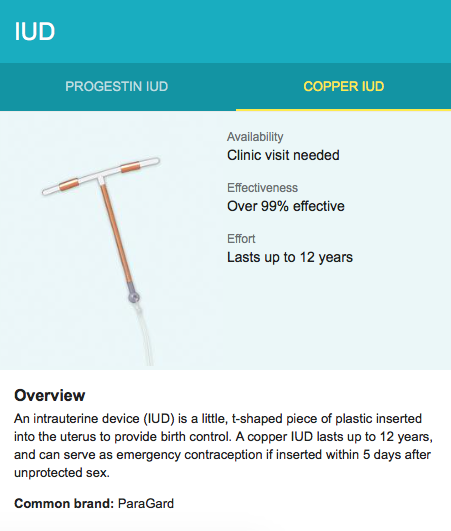
Screenshot from what comes up on Google when you search "paraguard IUD".
Even though I didn't know almost anything about holistic health compared to what I know now, I still had a feeling that a foreign object in my body could have consequences. I remember googling what copper does in the body and found little research. As someone who is hyper-paranoid about getting pregnant, the pros seemed to outweigh any potential cons. I decided to get a copper IUD in the spring of 2014, just after my 25th birthday.
Long story short: it worked for me until it didn't.
The first few years I loved it. I couldn’t feel it. The copper IUD is known for increasing heavy bleeding and cramping. I did experience these symptoms, but they weren’t that bad. Perhaps the most annoying thing that happened was that I would spot up to a week before my period.
In the last year or so (year 4), my IUD began bothering me. I started having cramps at random times and sometimes I would get sharp pains. I became much more aware of its presence in my body.
In the last few months before I decided to have it removed, I started experiencing fatigue and occasional brain fog. I had NEVER experienced these symptoms before, so it was very unlike me. I'm a wake-up-bursting-with-energy kind of person (you're probably rolling your eyes, but it's true). So when it's hard for me to wake up, it means something's off.
The brain fog is what bugged me the most. I'm normally super sharp and focused, and all of a sudden it felt like my brain was just above my head. I was having a hard time working on the computer. It was like whatever was in front of me just wasn't fully registering.
The reason I started the think it was the IUD was this - I had been taking a zinc supplement because you're supposed to take one if you have the Paragard because it helps balance copper in the body. I ran out of zinc and didn't immediately order more. My fatigue/brain fog seemed to get worse. When I got more zinc, I felt almost immediate relief. But then the symptoms continued to come and go.
On a spiritual/energetic level, it felt like a block. I felt that energy in my body wasn't flowing as freely as it could be, and I felt like this physical thing was preventing me from connecting to my intuition (as women, a lot of this resides in our wombs).

This is a screenshot from a Google search. Copper toxicity CAN cause headaches. Weight can be affected since excess copper can affect the thyroid.
After looking into copper toxicity symptoms, I decided that's most certainly what I was experiencing and I made an appointment to get the IUD removed. Getting it out was not too bad, but they do just yank it out - which is still painful and jarring.
After the IUD was out, I designed my own little detox program to help my body get any excess copper out. In doing research for this, two big things came up for me: 1. the process of detoxing copper can take years and can be pretty brutal. This freaked me out and I hoped that I hadn't waited too long. 2. Vegetarian diets tend to be higher in copper. I didn't know this and had been eating primarily vegan for the past 5 years. I had been feeling the pull to reintroduce some good quality animal products into my diet for the past few months, and this was the push that made me decide to go for it.
The first few days after it was out, I was still feeling some of the brain fog come and go - I was super worried I would be experiencing this for awhile. Thankfully, it improved a lot after the first week. I focused on taking a high quality zinc supplement (this is the one I used and I would recommend you take if you currently have a copper IUD), drinking juice, incorporating lots of parsley and cilantro which help to detox heavy metals, incorporate seaweed which supports the thyroid which can be affected by too much copper. I followed my own little program for about a month and the brain fog and fatigue subsided significantly.

A few other things I noticed: my mood improved - like, a lot. I found myself just smiling for no reason, and generally feeling upbeat. I hadn't realized that I hadn't been feeling that way in quite some time. This came as a big surprise to me. Another big thing I noticed - and sorry if this is TMI for you, but sexual health and experience is super important - is that my orgasms were better and stronger. Yep. I had just kind of thought that maybe getting older was affecting my experience or something, but it turns out having a foreign object in your prime sexual area can really impact sensation! I overall just felt so much better, so much more in tune with my body.
As for birth control now, I’m just sticking to condoms. At some point in the future I will probably become more dedicated to natural birth control options like the Fertility Awareness Method.
So now you're probably thinking - so what are signs of copper toxicity? I've listed a few big ones below, but I encourage you to check out CopperToxic.com to find out more about toxicity symptoms.
fatigue and exhaustion
hypothyroid
racing mind (feeling wired but tired)
panic attacks
anxiety
depression
brain fog and concentration problems
headaches
joint aches and pains
emotional numbness
ruminating negative thoughts
I know, these seem general and we tend to chalk them up to other things going on in our lives, but if you have a copper IUD, give some extra thought to these symptoms. A lot of the time, we women know intuitively what's going on with our bodies.
I wanted to share my experience because frankly, there's not a lot of information about the copper IUD out there. Specifically, there's not a lot of information about copper toxicity and it can have pretty dire consequences that take years to resolve. I'm extremely grateful that I decided to get mine out pretty quickly after noticing symptoms, but I've read about it taking years for women to feel "normal" again.
Do you have any questions about the Paraguard IUD? Leave them below!