Fruit: There is A LOT of debate about fruit. Some people argue it's just as bad as candy, others are fierce defenders. Some people are less carb-tolerant, meaning they can't handle sugar or carbohydrates very well (it spikes their blood sugar, affects mood, digestion, etc.) I think moderate amounts of fruit are totally fine - just don't overdo it. In the summer, I tend to eat more because it's available.
Meat: I don't personally eat that much meat and for about 4 years I didn't consume any. The more I studied and learned about meat, I realized that it wasn't so much meat itself that's harmful - it's the way we raise our animals that can have effects on our health. Opt for organic, grass-fed meats. That being said, I do think that in general people tend to overeat meat and under-eat vegetables. Have one plant-based meal a day (like Jessica Murnane says) and eat a smaller portion when you do eat meat.
Fish and Seafood: Wild-caught fatty fish are full of anti-inflammatory omega-3s which is awesome. The way we are treating our oceans, rivers and lakes is not awesome. Consume seafood and fish in moderation if you like it, but be careful not to overdo it. Heavy metals, pollutants and other chemicals can be present in wild-caught seafood.
Dairy: I don't believe dairy is necessary for health. Every nutrient in dairy is available from other sources. Plus, dairy tends to cause a lot of issues for people. Aside from the fact that most of us are lactose-intolerant, a lot of people find that it produces mucus, so they are stuffy or have excess phlegm. Personally, when I stopped eating dairy I effortlessly lost about 5 pounds. Many people who are intolerant to gluten are also intolerant dairy. People are very attached to dairy - especially cheese - and it's been shown that cheese can cause addictive tendencies. I don't think any food that you feel "addicted" to is a good choice.
In addition, most of the milk in America is pasteurized and homogenized. "Homogenization allows the enzyme xanthine oxidase in the milk cream to enter the bloodstream instead of being excreted, as would normally occur. When this enzyme enters the heart and arteries, it damages the membranes, creating scar tissue. Cholesterol accumulates on the scars and gradually clogs the articles." (1) I don't know about you, but that sounds like kind of a bum deal to me.
If you are going to go for dairy I would recommend organic, grass-fed and full fat. Fermented forms of dairy, like yogurt, are preferable because they're easier to digest. Same goes for aged cheeses. If you can find raw milk, that's a better choice because it retains the enzymes that help your body break down the milk. Grass-fed butter has some redeeming health qualities. I personally opt for ghee since the milk solids have been cooked off.
Eggs: I don't have a problem with eggs. We now know that dietary cholesterol has very little impact on cholesterol levels in the body (2). I would recommend buying organic. Get them locally if you can.
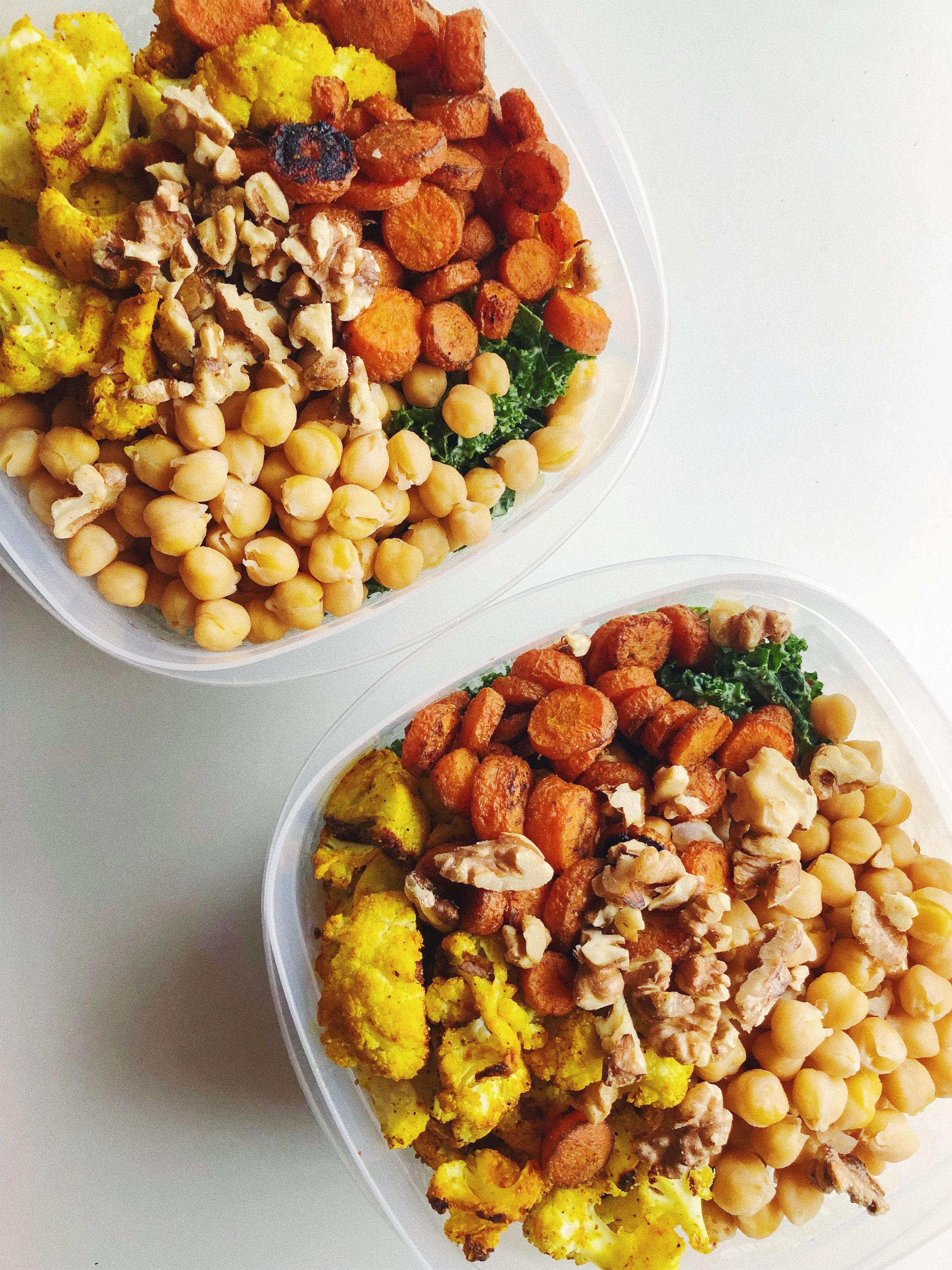
Beans/Legumes: Beans and legumes are packed with fiber, protein and many other nutrients. If you tolerate them (ie, if they don't make you feel gassy or bloated) eat them a few times a week. Some people who are less carb-tolerant may find it doesn't work with their blood sugar.
Grains: Another hot topic of debate! I think the biggest issue with grains is that they are the basis of processed foods and many of them are stripped of their outer germ - the part with all the nutrients. They're cheap and subsidized by the government. The US government used to recommend we eat 6-11 servings of grains DAILY - which is no coincidence!
Most people feel better with fewer grains in their diet. Again, if you're carb-intolerant, they might not be the best choice for you. I don't eat that many grains anymore, but I'm not militant about it. Oats are probably the grain I consume most frequently and every once in awhile I'll have some brown rice or quinoa.
If you do consume grains, I recommend eating whole grains (brown rice, quinoa, millet, etc.) and soaking them and preparing them at home. This ensures you're getting the beneficial nutrients from them.